



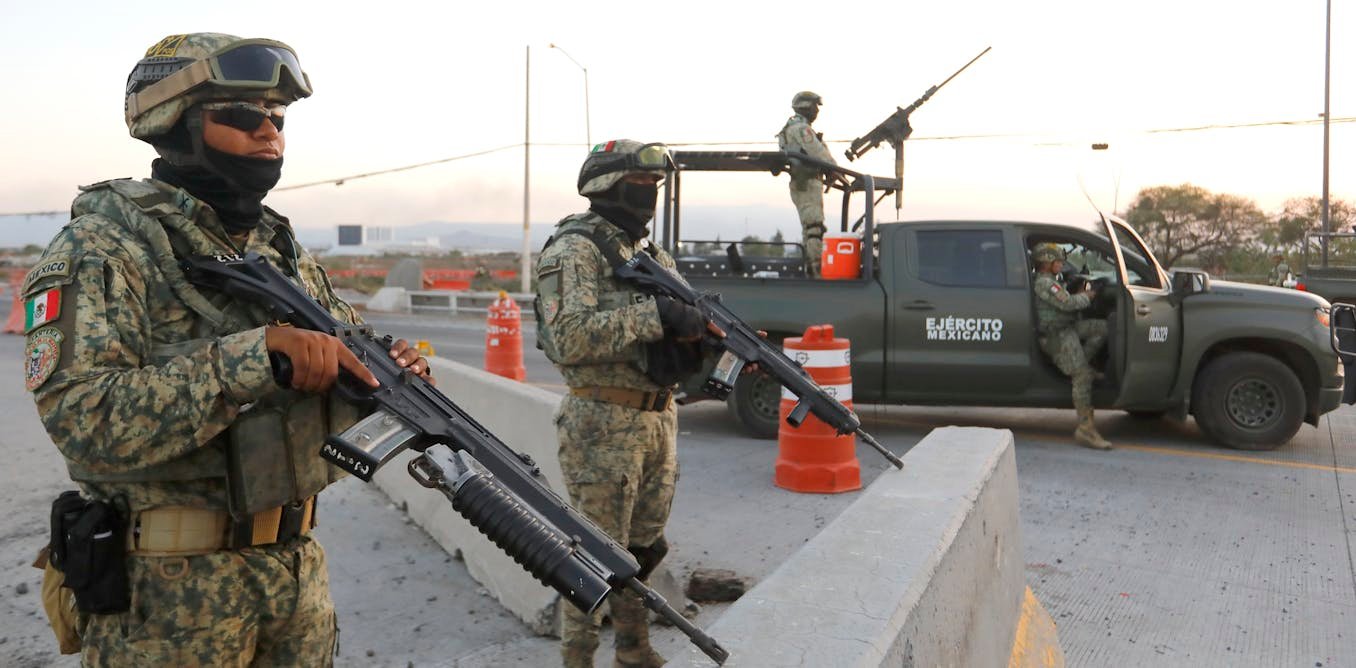
Crime is deeply entrenched in Mexico. The Global Organized Crime Index, a tool designed to measure levels of organised crime in a country, places Mexico third out of 193 nations in terms of criminality. At the core of Mexico’s struggle with organised crime is its network of powerful drug cartels.
The Mexican state and society have long been held hostage to the power and influence of these organisations, the most recent manifestation being the anarchy that followed the killing of Jalisco cartel leader, Nemesio “El Mencho” Oseguera Cervantes, by security forces on February 22.
His killing unleashed a wave of violent unrest. Cartel members blockaded roads and torched vehicles across various towns and cities in retaliation. And a number of inmates were sprung from a prison in the coastal city of Puerto Vallarta, prompting the authorities to urge people not to venture out.
Mexico has been following the same rulebook of engagement with the cartels for much of the past two decades, with limited success. The war on drugs that started in 2006 under the then-Mexican president, Felipe Calderón, has seen the authorities go after cartel bosses.
This has resulted in the capture of senior Sinaloa cartel figures like Joaquín “El Chapo” Guzmán, Ovidio Guzmán López and Ismael “El Mayo” Zambada. It has also led to a number of high-profile killings, including Los Zetas cartel leader Heriberto Lazcano Lazcano in 2010 and now El Mencho.
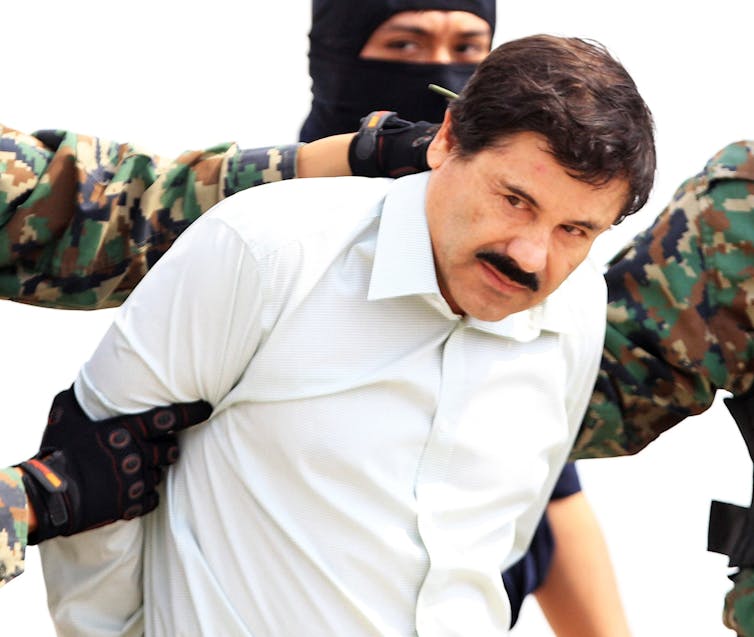
As I have argued in the past, this is a futile strategy. The killing or arrest of cartel leaders rarely spells the end for an affected organisation. As El Mayo said in an interview with a Mexican news magazine called El Proceso in 2010: “As soon as capos [leaders] are locked up, killed or extradited, their replacements are already around.”
Killings and arrests can also create openings for other cartels or splinter groups to fill the vacuum left behind by the previous leadership. This often results in violent turf wars. The arrest of Sinaloa cartel leader El Chapo in 2016, for example, led to hundreds of killings within the cartel itself as well between rival cartels that continue to this day. The killing of El Mencho is likewise bound to stir the pot of violence.
Explaining cartel violence
There are several interrelated factors that contribute to the power of Mexican cartels, complicating the government’s efforts to tackle crime. Restricting cartel violence in Mexico requires overcoming criminal impunity, youth unemployment and, perhaps the most challenging problem, the complete disregard for life among cartel members.
The Mexican judiciary has long been plagued by impunity, corruption and mismanagement. The rate of impunity for violent crimes in Mexico is estimated to stand at close to 95%, while just 16% of criminal investigations in the country were resolved in 2022. According to Human Rights watch, the violence perpetrated by Mexican criminal groups is directly linked to the impunity they enjoy.
Mexico, like many other countries in Latin America, is also affected by rampant youth unemployment. Figures released by the International Labour Organization suggest the unemployment rate for young people in the region was three times higher than that of adults in 2025. And around 60% of the young people who are employed in Latin America work under informal conditions.
Mexican governments have consistently failed to produce a national strategy to address this, with the perpetually reproducing ecosystem of grinding poverty and government apathy pushing generations of underprivileged young people towards the cartels.
As various studies show in Mexico and elsewhere, those without a social security umbrella or access to opportunities to address their everyday economic needs are more likely to join criminal groups. Now, estimates of cartel membership in Mexico suggest that such groups would rank as the fourth-largest employer in the country.
Meanwhile, the Mexican authorities lack a nationwide strategy aimed at the voluntary demobilisation of cartel members and their reintegration into society. Successive governments have responded to rising violence with policies that favour military force and arrest over rehabilitation.
Weak law enforcement and a void of economic opportunities have undoubtedly contributed to the spread of cartel violence in Mexico. But the complete disregard for life among cartel members is another contributing factor. As UK-based researcher Karina García Reyes, whose work involves speaking to former cartel members, wrote in a recent article in the Spanish-language newspaper El País:
Mexico’s narcos may not blame the state or society for their condition of poverty – each is, after all, his own man – but they don’t feel remorse for their crimes, either. They had the ‘bad luck’ of being born in poverty, they told me, and their victims had the ‘bad luck’ to be in their way.
The Mexican state is taking steps to address youth unemployment and criminal impunity. Through the Plan México initiative, for example, the president, Claudia Sheinbaum, has promised to provide apprenticeships and monthly stipends to young people and boost educational infrastructure. The initiative also involves a pledge to expand university spots by 330,000 places.
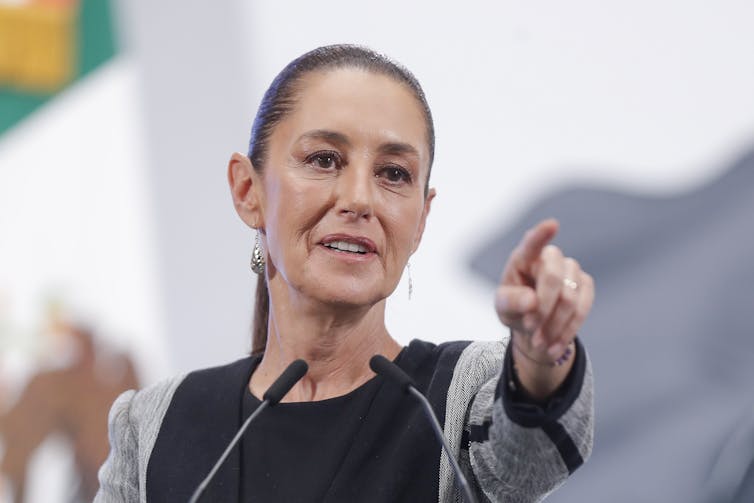
However, with Mexico’s sluggish GDP growth of only 1% over the past 12 months, achieving these goals appears more difficult now than when Sheinbaum announced the plan in January 2025. And, even with these efforts, weaning criminals away from their established practice of violence will be a difficult undertaking.
Clearly, countering cartel violence in Mexico through military action has its limitations. In order to achieve greater success in addressing the problem, the government needs to undertake wholesale reforms to tackle the root causes of criminality – poverty, inequality and corruption – rather than relying solely on force to silence criminals.
Until then, Mexico will remain hostage to cycles of violence at the hands of its cartels.