



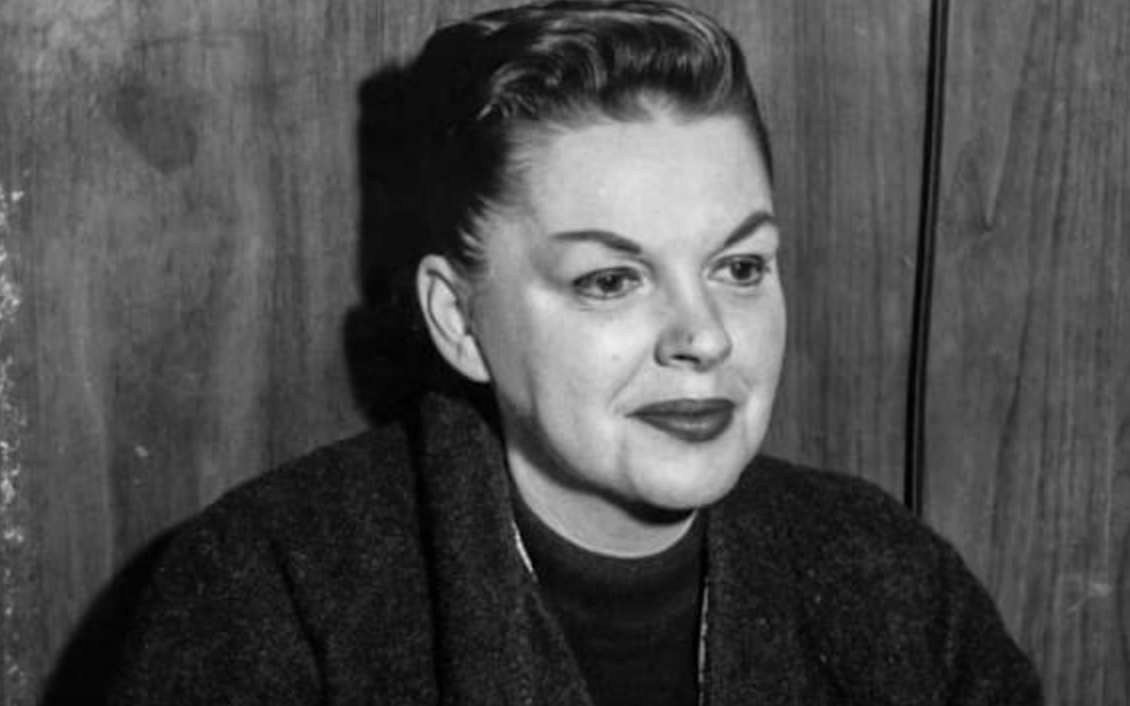
Liza Minnelli is pulling back the curtain on one of Hollywood’s most tragic legends — and her revelations are nothing short of explosive.
In her upcoming memoir, Kids, Wait Till You Hear This!, the 79-year-old Oscar winner makes stunning allegations about what she believes led to her mother Judy Garland’s decades-long battle with addiction. And according to Minnelli, the blame doesn’t just fall on the brutal old studio system — it hits much closer to home.
Garland, who skyrocketed to global fame as Dorothy in 1939’s The Wizard of Oz, died in London in 1969 at just 47 years old from what was ruled an “incautious self-overdosage.” But Minnelli now claims her mother’s dependency began long before adulthood.
“It’s no secret who the culprits were,” Minnelli writes. She alleges that Hollywood executives — and even her own grandmother — “had poisoned her with uppers and downers since she was a child star.”
The accusation is a chilling one.
Under Hollywood’s Golden Age studio system, young stars were often pushed to extremes. Garland herself had previously spoken about being given amphetamines to keep up with grueling filming schedules and barbiturates to sleep afterward. According to Minnelli, those early interventions set the stage for a lifelong struggle.
She recalls the media painting her mother as unstable and neglectful. “They said she was a bad mother, that she drank too much, took too many pills,” Minnelli writes. “But Mama spent millions in rehab units and hospitals, praying they could heal her.”
Behind the glamour, Minnelli says her childhood was anything but normal.
“I became her caretaker, nurse, doctor, pharmacologist and psychiatrist,” she reveals. “I lost count of the times I called doctors to say she’d run out of pills. I’d say, ‘I’m a kid! Please fill my mama’s prescription!’”
By the time Minnelli was born in 1946, Garland was already caught in a cycle of exhaustion, attempted comebacks, and health crises. Even career triumphs — including her Oscar-nominated turn in A Star Is Born — couldn’t fully stabilize her life.
When Garland died in 1969, Minnelli says the grief was overwhelming.
“I cried for eight straight days,” she writes. A doctor prescribed her Valium ahead of the funeral — something she describes as a turning point in her own battle with addiction. “A one-day blessing turned into a habit, then a full-blown case of addiction.”
Despite the trauma, Minnelli carved out a legendary career of her own, winning an Academy Award at 26 for Cabaret and becoming a Broadway and film icon. She also reflects on more recent moments, including presenting at the 2022 Oscars alongside Lady Gaga. “When I stumbled over a few words, Gaga didn’t miss a beat… ‘I got you,’ she said.”
Hollywood historians say Minnelli’s claims are blunt — but not entirely surprising. The practice of medicating young performers to maintain punishing production schedules has long been part of the industry’s darker lore. What’s new, insiders say, is Minnelli’s suggestion that family members were either complicit in — or powerless against — that machine.
Garland’s life has long symbolized the heartbreaking cost of fame. Now, decades later, her daughter is naming names and reigniting a painful conversation about how far Hollywood once went in the pursuit of perfection.
And this time, the story is coming straight from the inside.